
Brain to Tailbone: C3 – Facials, Nerves, and Your Outer Glow

Welcome to Part 4 of our "Brain to Tailbone" series. If you have been following along, you know that we are traveling down the superhighway of the human body: the spine. So far, we have explored the "Atlas" (C1), which serves as the gateway for neurological communication, and the "Axis" (C2), which allows for the incredible range of motion in our heads.
Today, we move just an inch further down to the C3 vertebra. While it might seem like just another block in the cervical chain, C3 holds a unique and powerful position. It is the bridge between the upper cervical spine and the middle neck, and its influence extends far beyond mere structural support. In fact, if you have ever struggled with stubborn skin issues, facial pain, or an "outer glow" that seems to have dimmed, the answer might not be in your skincare cabinet: it might be in your neck.
Understanding the C3 Anatomy
The C3 vertebra is the third bone in the cervical spine. Anatomically, it is the first of the "typical" cervical vertebrae, meaning it begins to take on the classic shape that we see throughout the rest of the neck. It sits right at the level of the jawline and the upper throat.
But the bone itself is only half the story. The real magic lies in the C3 spinal nerve roots. These nerves emerge from the spinal cord through small openings in the C3 vertebra and join a network known as the cervical plexus. From here, they branch out to provide sensation and motor control to very specific areas of your head and face.
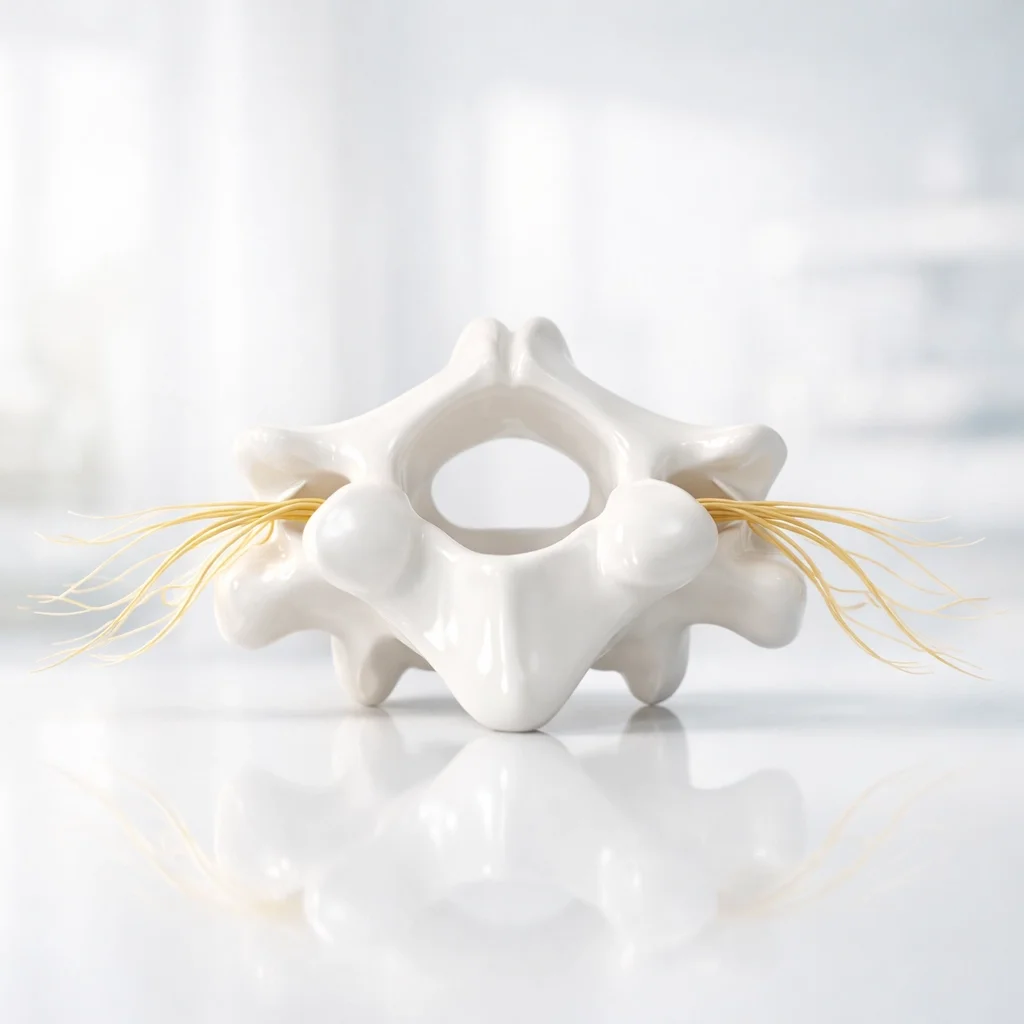
Visual: An AI illustration of the C3 vertebra showing the delicate nerve roots branching out toward the facial structures and the outer ear.
The Nerve-Organ Connection: What C3 Controls
In chiropractic care, we look at the body through the lens of innervation. Every organ, muscle, and patch of skin requires a clear signal from the brain to function correctly. When the C3 vertebra is properly aligned, the nerves flowing through it can effectively manage:
The Cheeks: C3 provides sensory input to the sides of the face.
The Outer Ear: Have you ever had a strange sensation or itching in the outer ear that didn't involve an infection? C3 may be the culprit.
Facial Bones and Teeth: While the cranial nerves do much of the heavy lifting here, the C3 nerve provides essential support to the structures of the face and the health of the dental environment.
The Facial Nerve: C3 plays a supportive role in the complex web that governs facial expression and sensation.
When we talk about the "Outer Glow," we aren't just using a marketing term. A healthy C3 ensures that the blood flow and nerve signals to the skin of the face are vibrant and unobstructed. This is the physiological foundation of looking and feeling healthy.
Subluxation Signals: When C3 is Out of Sync
A "subluxation" is a term chiropractors use to describe a misalignment of the vertebrae that interferes with the nervous system. Because C3 is so closely tied to the face and skin, the symptoms of a C3 subluxation are often visible to the naked eye or felt as sharp, distressing sensations.
If your C3 is misaligned, your body might send you "Check Engine" lights in the following ways:
1. Neuralgia and Neuritis
Neuralgia is a sharp, shocking pain that follows the path of a nerve. When the C3 nerve is compressed or irritated, it can cause "facial neuralgia," leading to unexplained pains in the jaw or cheek. Neuritis, or inflammation of the nerve, can lead to a dull, constant ache or a feeling of "heaviness" in the side of the neck and face. Sometimes, these issues are misdiagnosed as dental problems because the pain radiates so close to the teeth. If you've been told your teeth are fine, but the pain persists, it may be time to look at your neck. You can read more about how these signals act as warnings in our post, The Headache You Keep Ignoring Might Be Your Body’s Check Engine Light.
2. Acne, Pimples, and Eczema
This is often the most surprising connection for our patients. How can a bone in the neck cause a breakout on the skin?
The nervous system controls the diameter of blood vessels (vasodilation) and the function of sweat and oil glands. When C3 is subluxated, the nerve signals to the skin of the cheeks and face become "noisy" or weak. This can lead to poor lymphatic drainage and an inability of the skin to regulate oil production or heal itself efficiently. The result? Persistent acne, eczema, or skin that looks dull and inflamed, regardless of how many topical creams you use.
3. The "Tech Neck" Impact
In today’s digital age, we spend hours looking down at our phones. This puts an immense amount of pressure on the mid-cervical spine, specifically C3. This repetitive stress can lead to chronic misalignments. We’ve discussed the strategy for combating this in our guide on how to beat tech neck while working remotely.

Visual: A chart description showing the C3 nerve pathway connecting from the mid-neck to the cheeks, ears, and facial skin.
The Phrenic Nerve: A Life-Sustaining Connection
While we are focusing on the "Outer Glow," we cannot ignore a vital internal function of C3. There is a common phrase in the medical community: "C3, 4, 5 keep the diaphragm alive."
The C3 nerve root contributes to the phrenic nerve, which is the primary nerve responsible for the contraction of the diaphragm: the muscle that allows you to breathe. While a minor subluxation at C3 might not stop you from breathing, it can certainly affect the efficiency of your respiratory system. Shallow breathing or a feeling of "tightness" in the chest can sometimes be traced back to the cervical plexus and the health of the C3-C5 region.
Restoring the Glow: The Chiropractic Approach
At Carlucci Chiropractic & Wellness, we don't just "crack" necks. We perform a clinical analysis to see where the nervous system is being hindered. For a patient presenting with skin issues or facial neuralgia, we look specifically at the alignment of the C3 vertebra.
By performing a precise, professional adjustment, we remove the interference on the C3 nerve. This allows:
Improved Circulation: Fresh, oxygenated blood can reach the facial tissues.
Neurological Balance: The glands in the skin receive the correct signals for oil and sweat production.
Pain Relief: Pressure is taken off the nerves, reducing or eliminating neuralgia.
Chiropractic care is about more than just back pain; it is about ensuring your body’s internal communication is crystal clear. When the brain can talk to the face without interruption, your "outer glow" returns naturally.
Is Your C3 Trying to Tell You Something?
If you find yourself constantly battling skin irritation, ear discomfort, or facial tension, it’s time to stop looking at the symptoms and start looking at the source. The health of your spine is a reflection of your overall wellness.
Whether you are in Montclair or the surrounding areas, we are here to help you navigate your journey from brain to tailbone. If you are new to chiropractic and want to know what to expect, check out our guide on 10 things you should know before your first visit.
Connect With Us
Ready to clear the path for your health? We offer a variety of services designed to help you reach your peak potential.
Book an Appointment:Contact Us
Explore Our Services:Wellness Services
Shop Wellness Products:Our Shop
For all other resources, links, and social media updates, visit our Linktree:
https://linktr.ee/DrKCarlucci
Stay tuned for Part 5 of the "Brain to Tailbone" series, where we move down to C4, the center of the neck and a key player in your respiratory and thyroid health!
